How to Start Cross-Border eCommerce from Indonesia




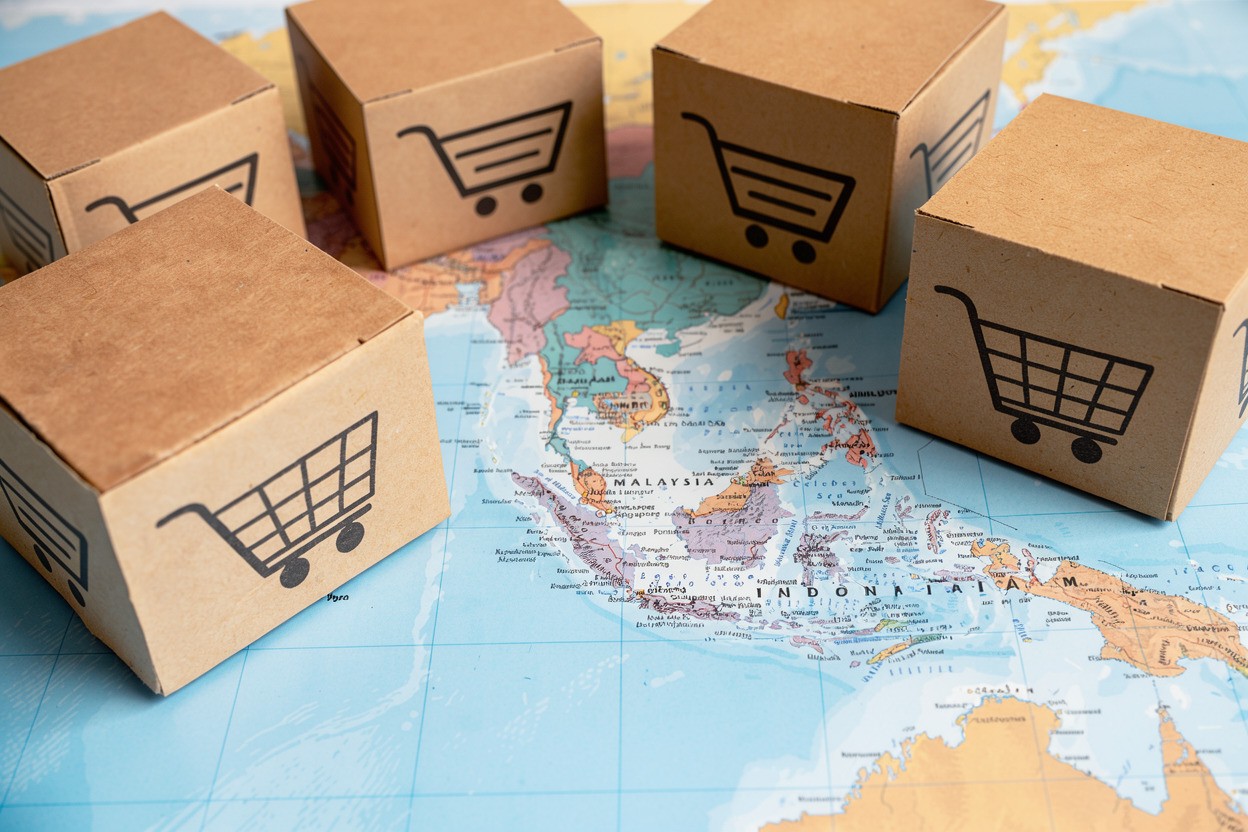
Selling products beyond Indonesia is no longer limited to large corporations. Today, businesses of all sizes can reach customers in overseas markets through digital marketplaces, online stores, and global logistics networks. Understanding how cross-border eCommerce Indonesia works is the first step for businesses that want to expand revenue opportunities and access international demand.
Whether you are a growing brand, reseller, importer, or SME owner, entering international markets requires more than simply listing products online. Success depends on the right strategy, efficient logistics, regulatory compliance, and a customer experience that meets global expectations.
How Cross-Border eCommerce Works from Indonesia
Cross-border eCommerce refers to the process of selling products to customers in other countries through digital channels. Instead of limiting sales to domestic buyers, Indonesian businesses can market and deliver products directly to international consumers.
A typical cross-border eCommerce process involves:
- Product listing on marketplaces or online stores
- International customer purchases a product
- Order processing and payment verification
- Product preparation and export documentation
- International shipping and customs clearance
- Final delivery to the customer
Businesses can sell internationally through various channels, including:
- Global marketplaces
- Regional marketplaces in Southeast Asia
- Brand-owned eCommerce websites
- Social commerce platforms
- B2B wholesale platforms
For example, an Indonesian furniture manufacturer can sell products to buyers in Singapore, Malaysia, Australia, or the United States through a combination of marketplaces and direct-to-consumer channels.
The increasing availability of international payment gateways, fulfillment services, and logistics providers has made cross-border eCommerce more accessible than ever.
Key Challenges in Cross-Border eCommerce
While international selling offers significant growth opportunities, businesses often face challenges that are different from domestic eCommerce operations.
Logistics Complexity
Shipping products internationally involves multiple stakeholders, including freight providers, customs authorities, warehouses, and last-mile delivery partners.
Without proper coordination, businesses may experience:
- Shipping delays
- Lost shipments
- High transportation costs
- Inaccurate tracking information
Customs and Duties
Every country has its own import regulations, customs procedures, and tax requirements.
Common challenges include:
- Incorrect HS codes
- Missing documentation
- Unexpected import duties
- Restricted products
These issues can delay deliveries and create negative customer experiences.
Payment and Currency Management
International customers prefer payment methods they trust. Businesses must also manage exchange rates, transaction fees, and settlement processes.
Poor payment experiences can reduce conversion rates and increase cart abandonment.
Customer Expectations
Global buyers expect:
- Transparent shipping costs
- Accurate delivery estimates
- Reliable tracking updates
- Responsive customer support
Meeting these expectations consistently requires strong operational processes.
Market Competition
When entering international markets, Indonesian businesses compete with local sellers and global brands. Price alone is rarely enough to win customers.
Businesses must differentiate through product quality, branding, service, or unique value propositions.
Strategies to Start Cross-Border eCommerce
Businesses entering international markets should focus on building a scalable foundation rather than expanding too quickly.
1. Identify the Right Target Market
Not every country offers the same opportunity.
Evaluate markets based on:
- Demand for your products
- Market size
- Shipping accessibility
- Import regulations
- Competitive landscape
For example, Southeast Asian countries may provide easier entry points due to geographic proximity and relatively shorter delivery times.
2. Validate Product-Market Fit
Before investing heavily in international expansion, test demand using:
- Marketplace listings
- Small-scale advertising campaigns
- Social media engagement
- Customer inquiries
This approach helps reduce risk while gathering valuable market insights.
3. Optimize Product Information
International customers often rely entirely on product descriptions and images.
Ensure that your product listings include:
- Clear specifications
- High-quality images
- Accurate dimensions
- Material information
- Shipping details
If targeting multiple countries, consider localizing content and language where appropriate.
4. Build a Reliable Fulfillment Strategy
Order fulfillment directly impacts customer satisfaction.
Businesses should evaluate whether to use:
- Self-managed fulfillment
- Third-party logistics (3PL)
- Regional fulfillment centers
- Marketplace fulfillment services
The right model depends on order volume, product characteristics, and target markets.
5. Develop International Customer Support
Providing support across different time zones and languages can improve customer trust and increase repeat purchases.
Even simple support processes such as email response systems and FAQ resources can significantly improve customer experience.
How to Optimize Shipping Costs and Delivery Time
Shipping costs are often one of the biggest barriers to successful cross-border eCommerce Indonesia operations.
Businesses can improve efficiency through several practical strategies.
Consolidate Shipments
Combining multiple orders into larger shipments can reduce transportation costs compared to shipping products individually.
This strategy is particularly useful for businesses with consistent order volumes.
Use Regional Warehousing
Storing inventory closer to customers can reduce delivery times and shipping expenses.
Regional fulfillment hubs may help businesses serve neighboring countries more efficiently.
Select the Appropriate Shipping Method
Different products require different logistics solutions.
Factors to consider include:
- Product value
- Product dimensions
- Delivery urgency
- Customer expectations
Some products may benefit from air freight, while others are better suited for ocean freight or consolidated shipping solutions.
Improve Packaging Efficiency
Optimized packaging can lower dimensional weight charges and reduce shipping expenses.
Businesses should avoid oversized packaging while maintaining product protection.
Leverage Technology and Tracking
Modern shipping management systems can help businesses:
- Compare carrier rates
- Monitor delivery performance
- Improve inventory visibility
- Provide real-time tracking updates
These capabilities contribute to better customer experiences and operational efficiency.
Regulations and Compliance in International Selling
Regulatory compliance is one of the most important aspects of international eCommerce.
Businesses must understand that requirements vary by destination country.
Product Compliance Requirements
Certain products may require:
- Safety certifications
- Product testing
- Labeling compliance
- Industry-specific approvals
Examples include electronics, cosmetics, food products, and healthcare-related goods.
Export Documentation
Common export documents may include:
- Commercial invoices
- Packing lists
- Shipping documents
- Certificates of origin
- Export declarations
Accurate documentation helps avoid customs delays and additional costs.
Intellectual Property Protection
Businesses selling internationally should ensure that trademarks, branding, and product designs are properly protected in target markets.
This reduces the risk of infringement disputes and counterfeit issues.
Tax and Import Regulations
Different countries apply different tax structures, including:
- Import duties
- Value-added tax (VAT)
- Goods and services tax (GST)
- Digital commerce regulations
Understanding these requirements helps businesses price products accurately and avoid compliance issues.
Working with experienced logistics and eCommerce partners can simplify the process and reduce operational risks.
Conclusion
Cross-border eCommerce Indonesia offers significant opportunities for businesses looking to reach international customers and diversify revenue streams. However, successful expansion requires more than simply opening a marketplace account. Businesses must carefully manage logistics, shipping costs, customer experience, compliance requirements, and market selection.
By building a strong operational foundation and adopting a scalable international strategy, Indonesian businesses can compete more effectively in global markets.
If your business is preparing to expand internationally, partnering with an experienced end-to-end eCommerce solutions provider such as STORE2GO can help streamline fulfillment, logistics coordination, and marketplace operations, allowing you to focus on sustainable growth across borders.