e-Commerce Digital Marketing Strategies That Drive Consistent Sales




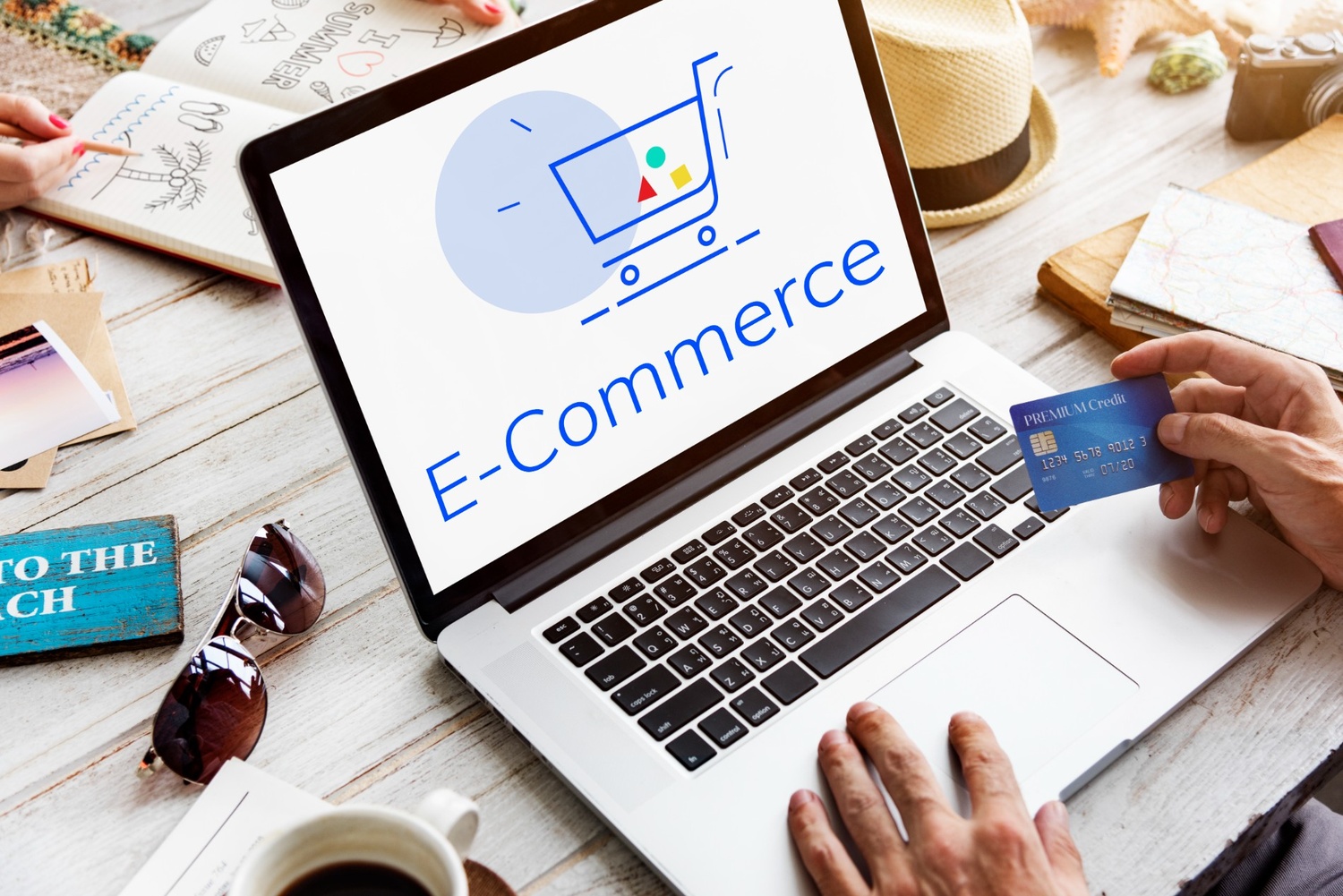
To achieve consistent e-Commerce sales, digital marketing strategies must be built around a deep understanding of how modern customers behave online.
e-Commerce buyers do not follow a simple, linear path. They research across multiple devices, compare alternatives rapidly, and rely heavily on trust signals before making a purchase.
Brands that dominate their markets are those that align every marketing action with the buyer’s decision-making process.
At its core, the e-Commerce buyer journey consists of awareness, consideration, conversion, and retention.
Each stage requires a distinct approach, messaging style, and channel focus. When these stages are strategically connected, e-Commerce businesses create a predictable system for driving revenue rather than relying on short-term tactics.
Awareness Stage Strategies: Building Visibility and Relevance
SEO-Driven Content for Top-of-Funnel Discovery
The awareness stage begins when potential customers recognize a problem or desire but are not yet committed to a specific solution. Search engine optimization plays a critical role at this stage by ensuring visibility when users seek information. SEO-optimized blog articles, educational guides, and category pages allow brands to appear naturally in search results, positioning them as credible resources rather than aggressive sellers.
High-performing awareness content focuses on education, clarity, and relevance. Instead of pushing products, it explains problems, introduces solutions, and frames the brand as an authority. This approach attracts qualified traffic and builds familiarity long before a purchase decision is made.
Social Media Reach and Brand Exposure
Social media platforms are essential for awareness because they introduce products in contexts users already trust. Platforms such as Instagram, TikTok, and Facebook support discovery through visual storytelling, short-form video, and community interaction. At this stage, the goal is not conversion but recognition and recall.
Brands that consistently publish valuable, engaging content build mental availability. When users later enter the buying phase, these brands feel familiar, reducing friction and increasing conversion likelihood.
Consideration Stage Strategies: Building Trust and Differentiation
Product Pages That Answer Every Question
Once users enter the consideration stage, they actively compare options. Product pages become the primary decision-making environment. Effective e-Commerce marketing ensures these pages provide complete clarity: detailed descriptions, high-quality visuals, pricing transparency, and benefit-focused copy.
Trust signals such as reviews, testimonials, certifications, and guarantees are essential here. Buyers want reassurance that they are making the right decision. Well-structured product pages reduce uncertainty and keep users moving forward.
Retargeting and Email Nurturing
Not every interested buyer converts immediately. Retargeting ads and automated email sequences keep products visible and top of mind. These channels allow brands to reinforce value propositions, highlight differentiators, and address objections without overwhelming the user.
Email follow-ups featuring product comparisons, use cases, or customer stories are particularly effective at this stage. They maintain engagement while gradually building confidence.
Conversion Stage Strategies: Removing Friction and Reinforcing Confidence
Checkout Optimization for Maximum Completion Rates
The conversion stage is where revenue is won or lost. Even highly motivated buyers abandon purchases when they encounter friction. A fast, simple, and transparent checkout experience is essential for maximizing conversions.
Key elements include multiple payment options, clear shipping costs, visible return policies, and minimal form fields. Mobile optimization is especially critical, as a significant portion of e-Commerce transactions now occur on smartphones.
Abandoned Cart Recovery and Urgency Triggers
Abandoned cart emails and retargeting campaigns recover lost revenue by reminding users of unfinished purchases. Effective messages emphasize convenience, reassurance, or limited availability rather than pressure. Subtle urgency, such as low stock indicators or time-sensitive incentives, can significantly improve recovery rates without damaging trust.
Retention and Post-Purchase Marketing: Maximizing Lifetime Value
Post-Purchase Communication That Builds Loyalty
The buyer journey does not end at checkout. Retention marketing transforms one-time customers into repeat buyers. Post-purchase emails, order updates, and onboarding content reinforce satisfaction and reduce buyer’s remorse.
Brands that continue educating customers after the sale strengthen relationships and increase repeat purchase rates. This stage is essential for sustainable growth because retaining customers costs significantly less than acquiring new ones.
Personalization and Loyalty Programs
Personalized recommendations, exclusive offers, and loyalty programs increase customer lifetime value. By analyzing purchase history and behavior, e-Commerce brands can deliver relevant suggestions that feel helpful rather than promotional. This personalization builds long-term engagement and brand advocacy.
Social Media and Social Commerce Strategies That Convert
Choosing the Right Platforms for e-Commerce Performance
Not all platforms deliver equal results. Successful e-Commerce brands focus on platforms that align with their audience’s behavior. Visual products thrive on Instagram and TikTok, while Facebook excels at retargeting and community engagement. Strategic focus ensures higher returns and more efficient content production.
Leveraging Native Social Commerce Features
Social commerce reduces friction by enabling purchases directly within platforms. Shoppable posts, live shopping, and in-app checkout shorten the path from discovery to transaction. When product information is clear and purchasing is seamless, conversion rates increase significantly.
Influencer Partnerships That Drive Revenue
Influencer and creator collaborations extend reach while adding credibility. Authentic partnerships with niche creators often outperform large-scale influencer campaigns. When products are presented in real-life contexts, they feel more trustworthy and relatable, directly influencing buying decisions.
Conversion Rate Optimization to Maximize Traffic Value
Identifying and Fixing Friction Points
Conversion rate optimization focuses on improving results without increasing traffic spend. Behavioral analytics reveal where users hesitate or abandon the journey. Common issues include slow page speed, unclear messaging, or unexpected costs.
By systematically removing these barriers, e-Commerce businesses increase revenue efficiency across all channels.
A/B Testing for Continuous Improvement
A/B testing allows brands to refine layouts, headlines, calls to action, and page structures. Data-driven testing ensures decisions are based on performance rather than assumptions. Over time, small improvements compound into substantial revenue gains.
Content Marketing That Builds Authority and Drives Sales
Intent-Driven Content for Every Funnel Stage
High-performing e-Commerce content aligns with buyer intent. Informational articles attract early-stage users, while comparison guides and buying resources support decision-making. This layered content strategy attracts qualified traffic and nurtures trust.
Product-Led Educational Content
Content that demonstrates product use, benefits, and outcomes builds confidence. Guides, tutorials, and demonstration videos help buyers visualize ownership, reducing hesitation and accelerating conversions.
Paid Advertising Strategies That Generate High ROI
Search and Shopping Ads for Purchase-Ready Buyers
Paid search captures users with immediate buying intent. Optimized product feeds, compelling ad copy, and relevant landing pages drive strong returns when aligned correctly.
Social Ads for Discovery and Retargeting
Social advertising excels at discovery and remarketing. Audience segmentation ensures the right message reaches the right user at the right stage, improving efficiency and scalability.
Search Engine Optimization for Long-Term e-Commerce Growth
Keyword Strategy Focused on Revenue
Effective e-Commerce SEO targets keywords with clear commercial intent. Product, category, and long-tail searches drive traffic that converts at higher rates. Proper keyword mapping ensures each page serves a distinct purpose.
Technical SEO and Site Architecture
Fast load times, mobile optimization, clean URLs, and structured data are essential for e-Commerce visibility. Technical excellence ensures search engines can crawl and rank pages efficiently while improving user experience.
Write : Content Calendar Social Media Management yang Rapi dan Efektif
Building a Sustainable e-Commerce Marketing System
A sustainable e-Commerce marketing system integrates SEO, content, paid advertising, social media, CRO, and retention into a unified strategy. Instead of isolated campaigns, brands build repeatable systems that deliver consistent results.
Consistency in messaging, data-driven decision-making, and long-term thinking create resilience in competitive markets. When every channel supports the buyer journey, e-Commerce businesses achieve predictable growth and lasting competitive advantage.